The Migraine Toolkit: Fewer Bad Days, More Good Ones
Migraine is not ‘a bad headache’ — it’s a neurological event with an entourage (light sensitivity, nausea, the weird pre-show aura) — and the people who manage it best all run some version of the same toolkit. Here’s the starter kit. (Information to bring to your doctor, not replace them.)

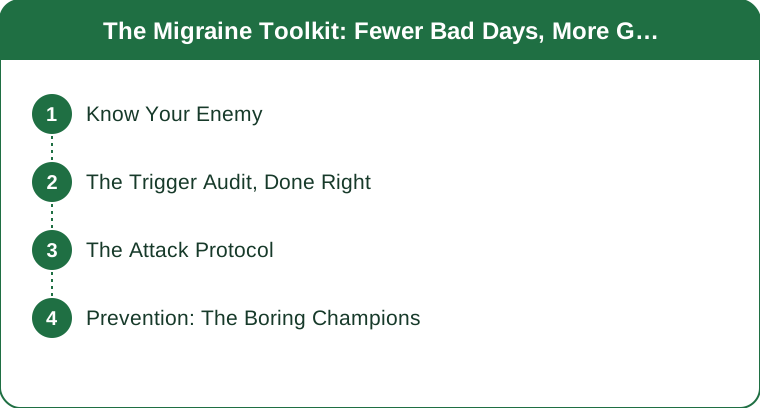
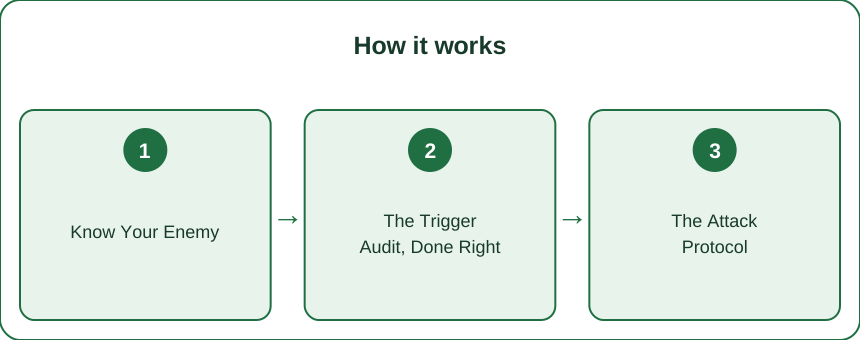
Know Your Enemy
The reframe that helps: migraine is a brain-state with phases — many people get warnings hours early (yawning, cravings, neck stiffness, mood shifts) before the pain phase, and learning YOUR early signals is the single highest-value skill, because early action beats late action by a mile. The attack has a script; learning it gives you the first move.
The Trigger Audit, Done Right
The tracking method: log attacks for two-to-three months (apps make this painless) noting sleep, meals skipped, stress, weather, cycle timing and the classic dietary suspects — then look for PATTERNS, not single villains. The nuance everyone misses: triggers usually stack (the bad night PLUS the skipped lunch PLUS the deadline), so the goal isn’t eliminating one food; it’s keeping the stack short. Cycle-linked patterns are extremely common and worth flagging to your doctor explicitly.

The Attack Protocol
The dark-room drill: act at the FIRST signal (whatever your treatment plan is, early beats heroic), then dark, quiet, cool — the classic triad exists because the migraine brain is hypersensitive to input, and removing input is treatment. Cold pack on the neck or head, hydration, and permission to actually stop (powering through is the most expensive option available; the attack collects either way, with interest).
Prevention: The Boring Champions
The evidence-backed base layer: regular sleep (the migraine brain loves routine and punishes deviation — weekend sleep-ins are a famous trigger), consistent meals, steady hydration, and regular moderate exercise (paradoxically protective despite exertion being an occasional trigger — start gentle). Beyond lifestyle, real preventive options exist and have improved dramatically; frequent attacks deserve a doctor conversation, not stoicism. Migraine is common, real and increasingly manageable — the toolkit is how you claim that.
Learn the early signals, audit the stack, act fast, sleep boring. Migraine management was never about toughness — it’s a toolkit, and every tool you add buys back good days.
Keep Reading
This article is for general informational purposes only and is not medical advice. Always consult a qualified health professional for guidance specific to you.