Is Your Screen Brightness Triggering Migraines? Here's How to Check
Quick Answer: Screen-related migraine triggers usually come from one of three things — glare/brightness contrast, blue light wavelength, or refresh-rate flicker — and they need different fixes. A week of testing one variable at a time (brightness, then blue-light filter, then refresh rate) will usually isolate yours.
You’ve blamed ‘screens’ for your migraines for years, but screens aren’t one trigger — they’re three different ones wearing a trench coat, and treating all three the same way is why nothing’s fully worked.

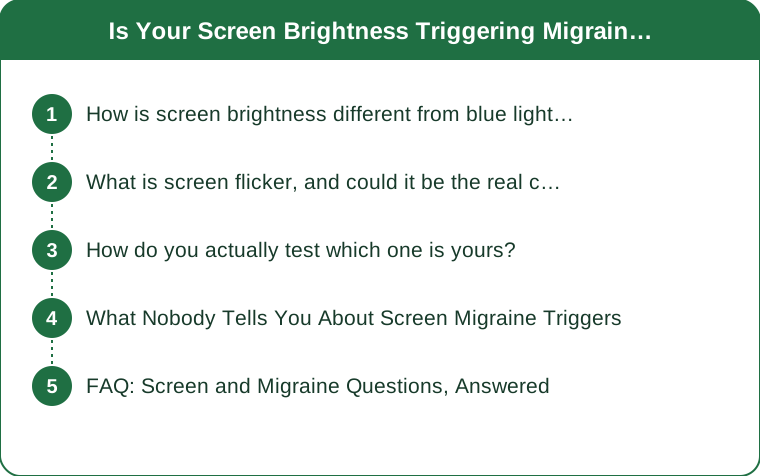
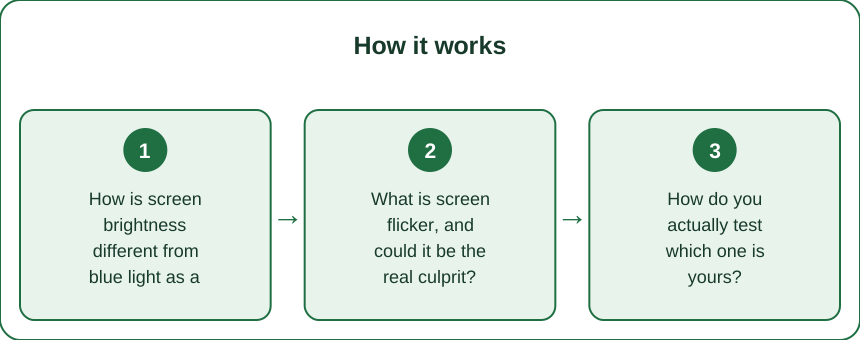
How is screen brightness different from blue light as a trigger?
Brightness/contrast is about the sudden light-level difference between your screen and the room — a bright screen in a dark room strains the same photophobia pathway as walking from a dim house into sunlight.
Blue light is a specific wavelength that some migraine sufferers report as more irritating to the trigeminal nerve pathway involved in migraine, independent of how bright the screen actually is. These call for genuinely different fixes: dimming and matching room light for one, wavelength filtering for the other.
What is screen flicker, and could it be the real culprit?
Some displays, especially at low brightness settings using PWM (pulse-width modulation) dimming, flicker at a rate invisible to conscious vision but detectable by the migraine-prone nervous system. This is a less-known but real trigger distinct from brightness or color.
If dimming your screen actually makes things worse rather than better, PWM flicker (which often increases at lower brightness on certain displays) is worth suspecting over brightness itself.

How do you actually test which one is yours?
Run it like a real experiment, one variable a week: Week 1 — match screen brightness to room lighting exactly, change nothing else. Week 2 — add a blue-light filter or night-mode setting, keep brightness matched. Week 3 — if neither helped, test a different device or external monitor to rule out flicker.
Log migraine frequency and screen habits daily during each week — a simple 1-10 headache scale next to hours of screen time is enough to spot the pattern.
What Nobody Tells You About Screen Migraine Triggers
Most people assume ‘less screen time’ is the fix and give up when reducing hours doesn’t help much — because duration was never the variable causing it, brightness mismatch or flicker was. You can sometimes tolerate more hours on a well-matched, flicker-free setup than you could on 20 minutes of a mismatched one.
Anti-glare screen protectors solve a genuinely different problem (reflected glare from windows/lights) than blue-light filters do — buying one when you needed the other is a common, frustrating dead end.
FAQ: Screen and Migraine Questions, Answered
Do blue light glasses actually help with screen-triggered migraines?
For some people, yes, if blue light specifically is their trigger — but they won’t help if your real issue is brightness contrast or flicker, which is why testing matters.
Should I just avoid screens entirely if I get migraines?
Not necessarily — isolating and fixing the specific trigger usually lets you keep normal screen use, which is more sustainable than total avoidance.
Can screen triggers combine with other migraine triggers?
Yes, commonly with fatigue or dehydration — a screen that’s fine on a good day may tip you over on a day you’re already close to threshold. This is general information, not medical advice.
TL;DR:
- ‘Screens’ as a trigger actually splits into brightness contrast, blue light, and flicker — three different problems
- Test one variable per week: brightness matching, then blue-light filter, then a different device
- If dimming makes things worse, suspect flicker (PWM), not brightness
- Anti-glare and blue-light-blocking are different fixes for different triggers
Once you know which of the three is actually yours, the fix usually takes an afternoon, not another headache diary month.
Keep Reading
This article is for general informational purposes only and is not medical advice. Always consult a qualified health professional for guidance specific to you.